
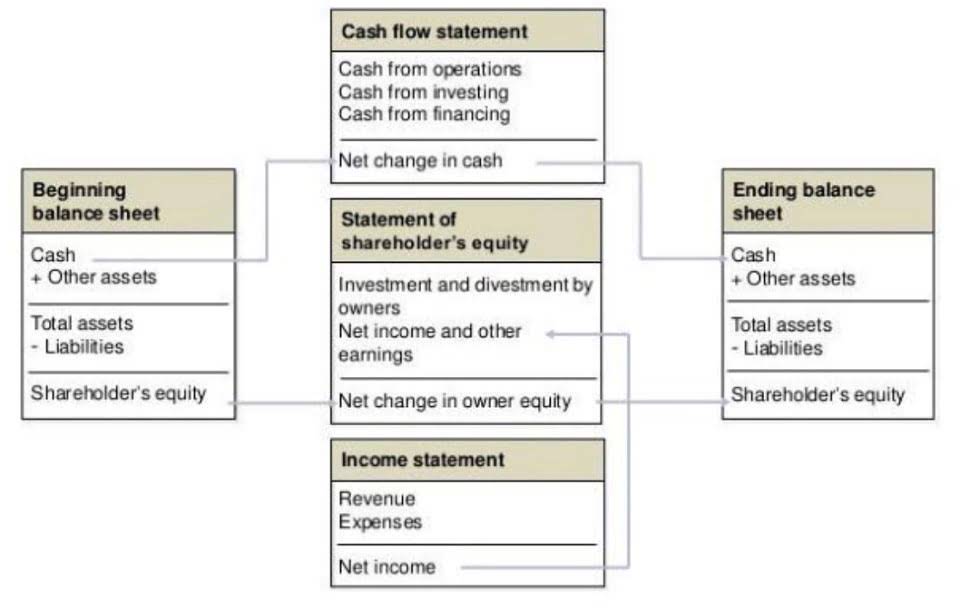
This article aims to clarify these applications within the double-entry accounting system. Beyond the balance sheet, retained earnings is also a central element of the Statement of Retained Earnings, or often, the broader Statement of Changes in Equity. This specific financial statement details the changes in the retained earnings balance from the beginning to the end of an accounting period.

Retained earnings debit and credit journal entry for profits
When we want to record the prior revenue, it will increase the profit, so it will increase the retained earnings as well. A financial statement is a formal document that shows financial health, business performance, and many more. They can be used to track a company’s progress over time or to compare it to other businesses. A financial statement is an important tool for business owners and investors. We see from the adjusted trial balance that our revenue accounts have a credit balance. The credit to income summary should equal the total revenue from the income statement.
Where are retained earnings on the balance sheet?
Instead, they reflect account balances and their relationship in the accounting equation. If you will notice, debit accounts are always shown on the left side of the accounting equation while credit accounts are shown on the right side. Thus, debit entries are always recorded on the left and credit entries are always recorded on the right. When an account has a balance that is opposite the expected normal balance of that account, the account is said to have an abnormal balance. For example, if an asset account which is expected to have http://aisort.ir/understanding-accumulated-amortization-and-its/ a debit balance, shows a credit balance, then this is considered to be an abnormal balance. If we want to adjust the prior year’s income or expense, we have to adjust with retained earning account instead.
- If a company has a net loss, negative earnings will decrease by the amount of that loss.
- This ratio helps investors understand how effectively a company is using its retained earnings to generate additional profits.
- This reflects the accounting principle that increases in equity, such as profits kept within the company, and credits, while decreases in equity, such as losses or dividends, are debits.
- There’s almost an unlimited number of ways a company can use retained earnings.
- It’s just an account where the net income or net loss for each year is stored eternally, so it’s just the total net income or loss the corporation has achieved in its existence.
How to Process an Invoice From Receipt to Payment
This negative balance reflects a reduction in total owner’s equity below the initial capital contributions. This means that retained earnings typically increase with credits and decrease with debits. A positive credit balance indicates accumulated profits, while a negative balance may suggest accumulated losses or deficits. Net income increases retained earnings (credit), while net losses or dividends decrease them (debit). This consistent application of debit and credit rules ensures is retained earnings a debit or credit the accounting equation remains balanced and accurately reflects changes in a company’s financial position.
A company has a net income of Mental Health Billing $20,000 for the year ending December 31, 2024. Shaun Conrad is a Certified Public Accountant and CPA exam expert with a passion for teaching. After almost a decade of experience in public accounting, he created MyAccountingCourse.com to help people learn accounting & finance, pass the CPA exam, and start their career.
Closing entry for net income example
While net income measures a company’s earnings for a single period, retained earnings show the accumulation of profits over time. Generally, companies like to have positive net income and positive retained earnings, but this isn’t a hard-and-fast rule. The decision to pay dividends or retain earnings for future capital expenditures depends on many factors. Yes, a company’s financial statements may show negative retained earnings. They increase with a credit entry, and retained earnings decrease with a debit entry.
- Understanding retained earnings is important for assessing a company’s financial health and capacity for future investment.
- During the business lifetime, the company generates profit and accumulated them in the retained earnings under equity section.
- When distributions are declared by a company, the amount that will be paid as dividends to its shareholder is usually taken out of its retained earnings account on the date of the declaration.
- A net loss diminishes the company’s accumulated profits and reduces its equity.
- Retained earnings represent the accumulated profits a company has kept and reinvested in its business, rather than distributing them to shareholders as dividends.
The resulting figure is then reported within the shareholders’ equity section of the balance sheet, providing a continuous link between a company’s income statement and its balance sheet. This process resets these accounts to zero in preparation for the next accounting period and updates the retained earnings account with the net income or loss for the year. Conversely, actions that reduce the accumulated profits available to the business result in a debit to the retained earnings account. Such reductions might occur due to losses incurred by the company or distributions made to shareholders.
The Accounting Equation and Account Balances
When a company makes a profit at the end of its financial year, its shareholders may decide to allocate part of the profits to retained earnings. Profits generally refer to the money a company earns after subtracting all costs and expenses from its total revenues. It shows a business has consistently generated profits and retained a good portion of those earnings. It also indicates that a company has more funds to reinvest back into the future growth of the business.
